
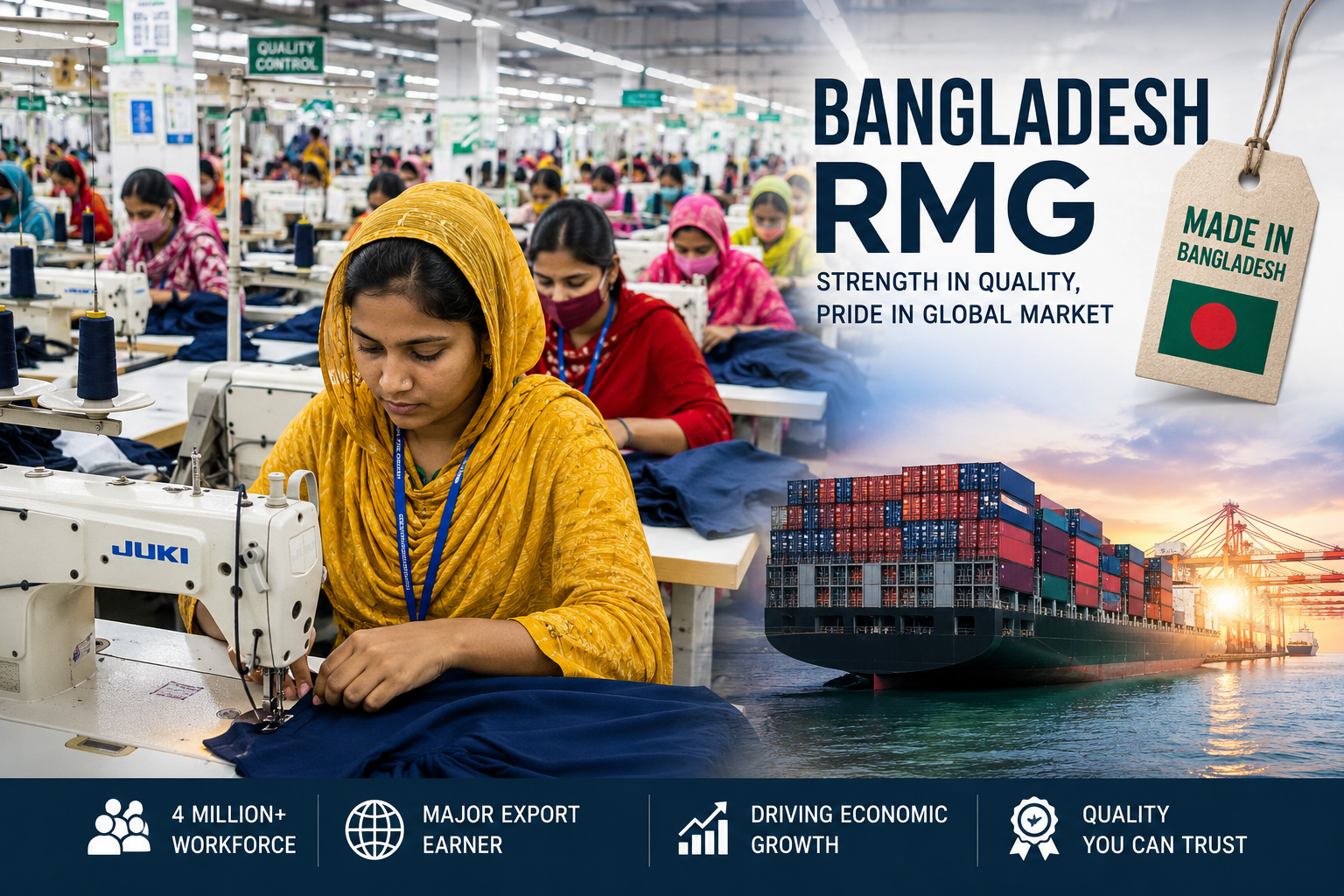
Gas shortages, rising costs and slow ports push global brands towards a faster-moving rival
Raisa Raad Khan
Bangladesh’s garment industry, long the go-to source of cheap production for western fashion brands, now watches orders drift towards India. Persistent gas and power shortages, climbing production costs, congestion at Chattogram port and lengthening lead times combine to erode the sector’s edge, according to manufacturers and analysts.
Speed, not just price, decides where buyers place orders these days. A shipment from Bangladesh takes 60-95 days from order to loading, industry figures show. India manages the same journey in 45-60 days; Vietnam takes 60 days; China just 32. That gap alone steers brands towards alternatives when a delayed shipment can wreck a season’s sales.
Factories in Savar, Ashulia, Gazipur and Narayanganj report chronic gas pressure shortfalls, forcing many to run diesel generators at heavy extra cost. Fuel prices and container transport costs to Chattogram have also climbed sharply. Gas prices for industry have risen roughly 286% in recent years and electricity 33%, according to the BGMEA trade body; minimum wages rose 56% in 2024.
The Bangladesh Garment Manufacturers and Exporters Association told president Mirza Fakhrul Islam Alamgir on Monday that nearly 400 factories closed over the past three years amid the gas crisis and falling export orders, with production costs up around 40%. The delegation, led by BGMEA president Mahmud Hasan Khan Babu, called for guaranteed energy supply, lower production costs and a push towards a free trade agreement with the European Union.
Fazlee Shamim Ehsan, executive president of the Bangladesh Knitwear Manufacturers and Exporters Association, cautioned against overstating the shift — some orders moved to India and elsewhere, he said, but buyers haven’t abandoned Bangladesh wholesale. Energy shortages and rising costs, he added, remain the industry’s chief worry.
India, meanwhile, has invested deliberately: production-linked incentives worth thousands of crore rupees target technical textiles and synthetic garments, while the PM MITRA scheme clusters spinning, weaving, dyeing and logistics in single industrial parks, cutting time and cost. A large domestic cotton supply and a near-finalised UK trade deal, alongside continuing EU talks, strengthen India’s position further.
Abu Mokless Alamgir Hossain of the Export Promotion Bureau said buyer confidence has wavered over delivery reliability, compounded by uncertainty over Bangladesh’s post-LDC status in European markets — while India already holds an EU trade deal. A policy decision to pursue an EU agreement before graduation has been taken, he said, adding he expects no lasting market impact.
Economists say Bangladesh’s core manufacturing capacity remains strong, with skilled labour and the world’s largest cluster of green-certified factories. The real threat lies in consistency: without reliable energy, faster ports and shorter lead times, the country’s export dominance risks slipping further towards Delhi.