Ataul Haque Ove, from the UK
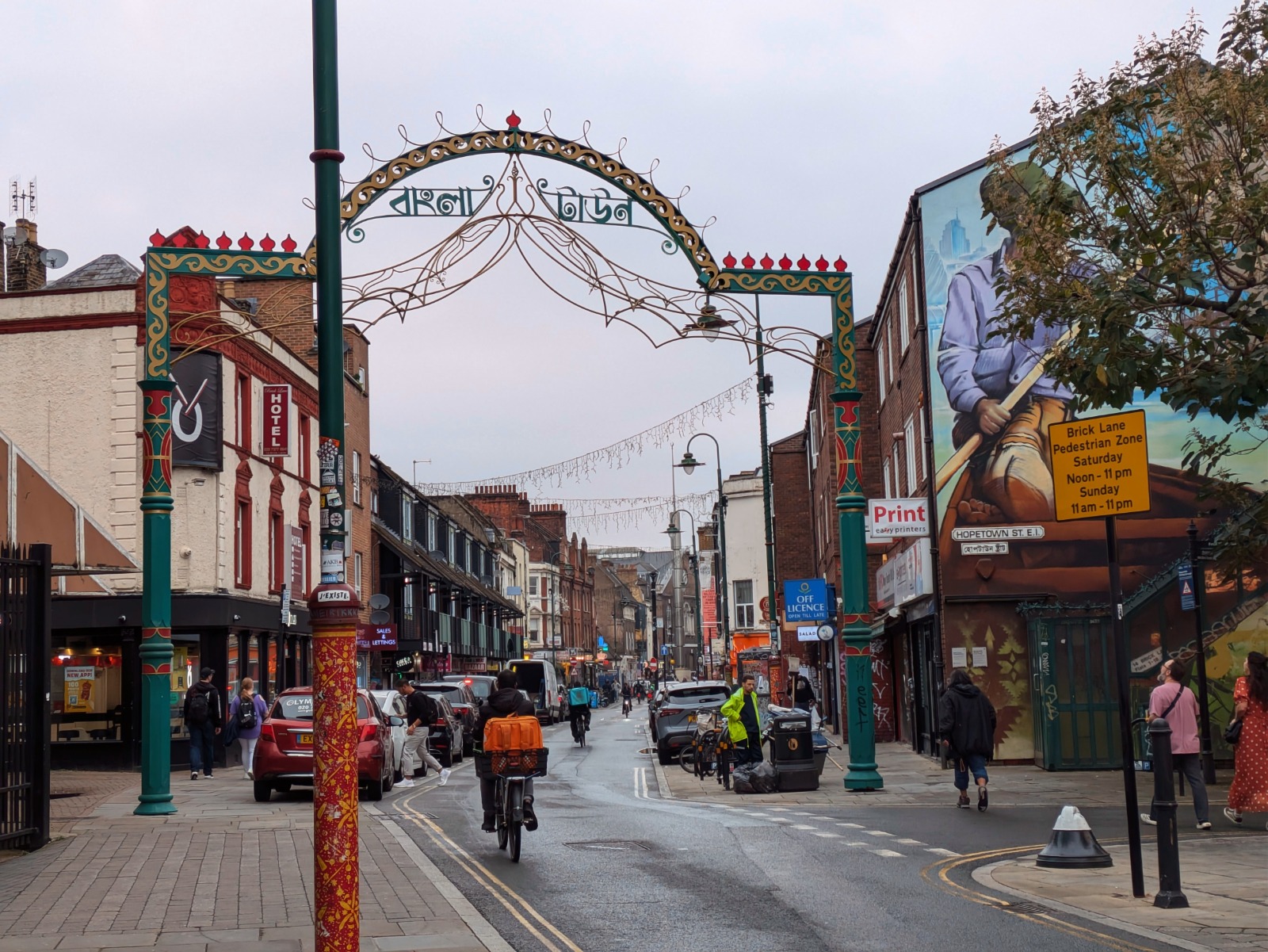
For generations of Bangladeshis in Britain, Brick Lane in east London has been far more than a street lined with restaurants and shops. At the heart of Tower Hamlets, the area known as Banglatown has evolved into a living symbol of the community’s migration, struggles, achievements and cultural identity.
The story of Banglatown is closely linked to migrants from Sylhet. From the late 19th century, Sylheti sailors began arriving in Britain, laying the foundations of a community that would grow substantially in the decades that followed.
After the Second World War, demand for labour in Britain encouraged large numbers of people from what was then East Pakistan to migrate to the UK. Many settled in Tower Hamlets, gradually establishing a strong Bangladeshi community in the heart of east London.
The community played a significant role during Bangladesh’s Liberation War in 1971. Bangladeshi migrants in the area campaigned for independence, helped mobilise public opinion and organised support for the liberation struggle.
That legacy remains an important part of the history of Bangladeshis in Britain.
Banglatown also carries a painful history of racism and resistance. In 1978, Altab Ali, a young Bangladeshi garment worker, was murdered in a racist attack in east London. His death sparked widespread protests by the Bangladeshi community against racism and discrimination.
Altab Ali Park, named in his memory, has since become a symbol of the community’s struggle for equality, justice and racial harmony.
Brick Lane’s identity is also closely tied to Bangladeshi entrepreneurship. For decades, the street and its surrounding areas have been renowned for their curry houses, earning a reputation as one of Britain’s major centres of South Asian cuisine.
Restaurants, grocery shops and other businesses run by Bangladeshi entrepreneurs have played a key role in shaping the area’s economy and character.
British-Bangladeshi entrepreneur, businessman and journalist Md Masudur Rahman said Banglatown represented much more than a place of business.
“Banglatown is not just a place for business; it is a centre of our heritage and community. It gives us an opportunity to preserve our language, culture and roots while strengthening our relationship with British society,” he said.
He said the area had become a household name through decades of hard work by generations of Bangladeshi migrants.
“For the new generation, it is not merely an area but also an important place to learn about their identity and history,” he added.
The preservation of Bangla language and culture remains central to the community’s identity. International Mother Language Day, Pahela Baishakh, Independence Day and Victory Day are regularly observed through cultural programmes and community events.
Bangla schools and cultural organisations also play an important role in introducing younger generations to Bangladesh’s history, language and traditions.
Religious and community institutions, including the East London Mosque, have contributed significantly to the social development of the area. Alongside religious activities, such institutions provide education, welfare and other community services.
Meanwhile, the community’s influence has expanded well beyond Brick Lane.
A new generation of British Bangladeshis has established itself in politics, business, education, medicine, law, journalism and other professions, reflecting the community’s growing contribution to British society.
Yet the character of Brick Lane is changing. Urban development, rising commercial pressures and modernisation have transformed parts of the area over the years.
Despite these changes, Banglatown continues to retain a strong sense of identity.
Through its language, food, culture, businesses and community networks, Brick Lane remains a living link between generations of Bangladeshis in Britain and their ancestral homeland.
For many, Banglatown is therefore not simply a neighbourhood in London. It is a story of migration and resilience—a place where the memories of the past continue to shape the identity and aspirations of a new generation.
Brick Lane: A century of Bangladeshis’ history, heritage and hope